
According to Denise Fernandes from Sky Portugal, traditional professional growth relies on the 70/20/10 model, where about 70% of learning happens through real-world work. Today, artificial intelligence is starting to change this space by automating tasks that once needed deep thought, a trend often covered in major tech news.
The Value of "Desirable Difficulty"
The tasks that helped professionals grow the most were rarely the easiest. Spending hours fixing a complex problem, revising an idea, or dealing with uncertainty builds critical mental skills.
In learning science, this is called "desirable difficulty." While artificial intelligence can instantly give an answer, it cannot provide the human experience of working through it. Efficiency and professional growth are not the same thing, a fact that engineering companies must keep in mind.
Preserving Critical Skills
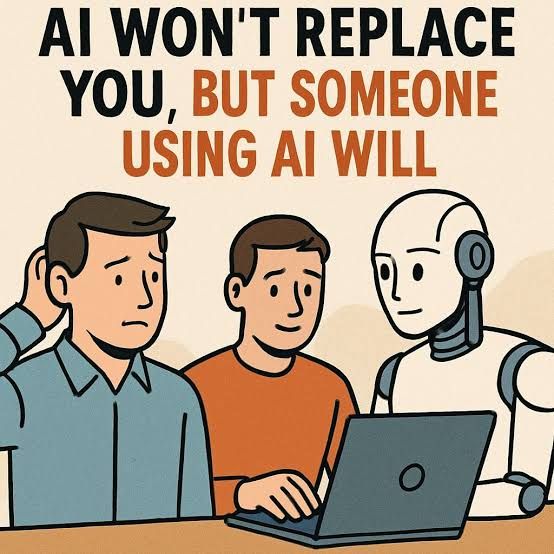
The main risk is not that technology will make people lazy, but that it will normalize a lack of mental effort. When answers become instant, key learning moments—like doubt, trial and error, and self-correction—disappear.
This challenge is especially hard for new workers who need that 70% window to build confidence and critical thinking. If firms do not intentionally protect spaces for human problem-solving, young workers might miss out on vital milestones, a topic frequently talked about at industry events and local coworking spaces that support new tech jobs.
Intentional Leadership for the Future
In the end, the biggest advantage will belong to organizations that go beyond simple automation. By deliberately protecting the space where humans build judgment and tackle hard problems, leaders can ensure that key human skills stay strong in an AI-driven world.
 Related News