
Sometimes the biggest obstacle isn’t price or politics. It’s the distance between two rails. Hitachi Rail did not compete in Portugal’s high-speed rail competition, and the reason comes down to track gauge.
Why Hitachi stayed home
Hitachi has no high-speed trains suited to the Iberian gauge. The company says it was willing to take part, but adapting its ETR1000 model would cost too much for the small order placed by CP, Portuguese Railways. The math simply didn’t work.
What it means for rail infrastructure in Portugal
The episode shows how much rail infrastructure in Portugal shapes who can bid. A train that runs well elsewhere in Europe can’t roll onto a different gauge, and the cost of changing it falls on the manufacturer. When the order is small, few suppliers may find it worth the effort. Think of it as trying to fit a key into a lock built for another shape.
Meanwhile, in Berlin
Hitachi was busy elsewhere. At InnoTrans 2026, which turned Berlin into the world capital of mobility once again, the Japanese group showed innovations in intelligent passenger mobility and autonomous driving platforms powered by artificial intelligence.
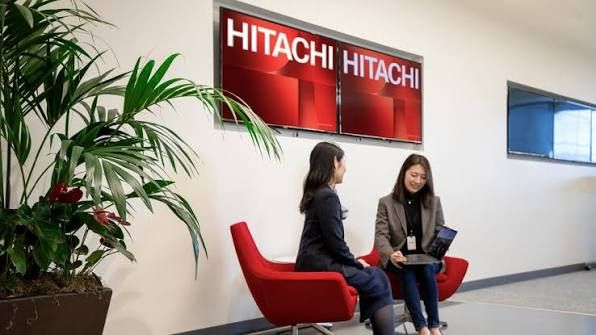
HMAX, the star of the stand
The headline item was HMAX, a digital platform that combines AI and sensors to check, predict and optimize rail operations in real time. So while Hitachi passed on this tender, it is clearly putting weight on software and data for rail.
If you like following technology news updates, this story is a good reminder that hardware compatibility still matters. And trade fairs like this one are the kind of technology events where such plans get announced.
 Related News