
The digital banking giant Revolut has announced a major shift in its technical leadership, moving from its original architecture era into a new phase of global scaling. Here is how the transition breaks down year by year.
2014 – 2015: Laying the Foundations
Vlad Yatsenko joined Revolut in 2014, a full year before the app officially launched to the public. As the company’s very first employee, he partnered with CEO Nik Storonsky to write the original codebase and design the core system architecture. For over a decade, his work as Chief Technology Officer allowed the digital bank to scale from a simple multi-currency card into a financial powerhouse.
2018: The Arrival of the Successor
As the platform grew, the engineering team expanded. In 2018, Donato Lucia joined the company as a senior software engineer. Over the next eight years, Lucia proved his technical capability by taking direct responsibility for building and scaling Revolut's core backend infrastructure.
July 2026: The Strategic Handover
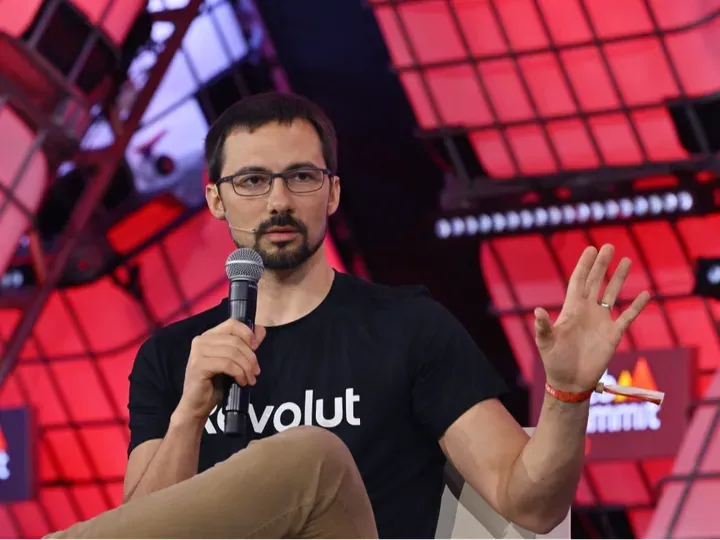
This summer marks the official Vlad Yatsenko Revolut board transition. Yatsenko is stepping down from his active, daily operational duties as CTO. However, he is not leaving the company completely; instead, he will take on a new role as a non-executive director on Revolut's board to help guide long-term strategy.
What Happens Next?
This changing of the guard represents one of the most significant fintech C suite leadership changes in the digital banking sector.
To keep the transition smooth, Revolut is promoting from within rather than hiring an outside executive:
- A New Title: The traditional CTO title is being retired. Donato Lucia will officially take over the engineering division under the updated title of Donato Lucia VP of Technology Revolut.
- Massive Scale: The leadership change arrives at a peak moment for the firm, which now serves over 70 million customers globally with a private valuation of $75 billion.
- Future Goals: Lucia will be responsible for keeping the core infrastructure stable as the company prepares for an IPO and expands its banking services into new global regions.
As major financial institutions restructure their engineering departments to handle bigger global networks, the market for skilled developers remains highly active. Engineers and software architects looking for new career opportunities in fintech can explore the latest tech jobs to find active openings.
At the same time, many independent developers and tech consultants prefer to follow these corporate shifts through community networks. Professionals who want to discuss these infrastructure changes and network with industry peers often attend local it events to share insights. Ultimately, the Revolut CTO steps down 2026 announcement shows how a mature tech company successfully transitions from its startup roots into a highly structured global institution.
 Related News