
Have you ever looked at a crowded city street and thought, "There must be a better way to move"? Huge SUVs carrying one person clog our roads and burn through our planet's resources. Thankfully, a brilliant solution is officially rolling out of the research labs. The BEN, an ultra-compact electric mini-car developed by CEiiA, represents a massive leap forward for urban transportation. According to devs.com.pt recently reported insights, this project is shifting the entire paradigm of how we view personal transportation. It is a bold step toward a smarter, cleaner future for urban communities.
Unpacking the Tech Inside the Vehicle
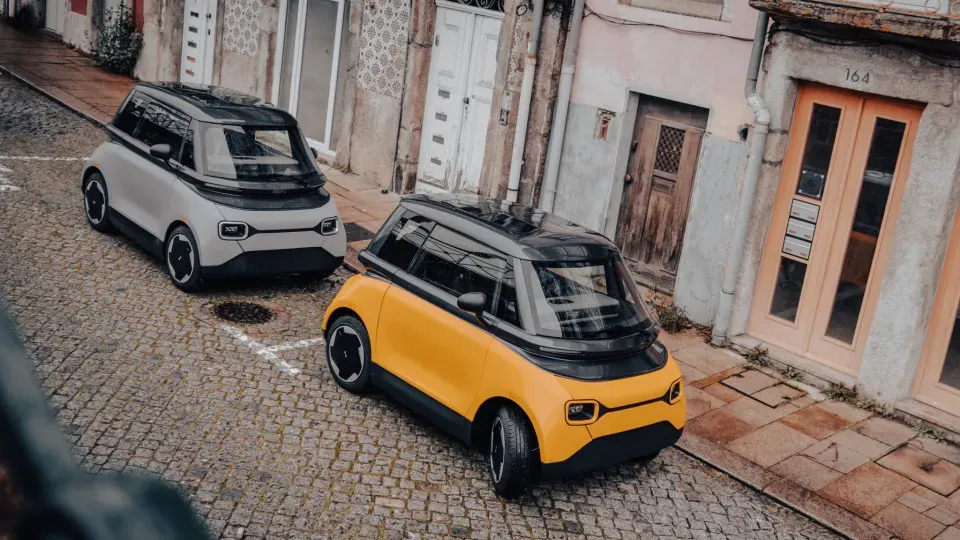
This tiny vehicle is not just a standard car shrunk down to a smaller size. Instead, it is a highly advanced piece of engineering built on a modular "skateboard" chassis. It is remarkably spacious on the inside, easily carrying two people with plenty of clever storage. The exterior design features a unique, uniform symmetry between the front and rear lighting systems.
Here is what makes this electric vehicle a true game-changer for cities:
- A lightweight, multiconfigurable body tailored for delivery or passenger services.
- An advanced digital platform that allows for seamless, over-the-air software updates.
- Integration capabilities with autonomous driving technology and vertical drone mobility.
- A target base price starting at an incredibly accessible eight thousand euros.
A Major Win for the National Economy
Building this car locally creates an incredible ripple effect across the entire region. The team behind the project is actively striving to secure a massive 70 percent European component origin. This strategy breathes new life into domestic supply chains, from high-quality interior seating to advanced structural components. Local talent gets a massive boost, opening up incredible software development jobs in the region. It proves that small countries can lead global innovation when they leverage their unique industrial strengths. It is about creating sustainable, high-tech employment opportunities that keep young talent from leaving.
To understand the full scale of this achievement, look at the project goals:
- Achieving European Union type-approval certification to allow driving across the continent.
- Deploying initial fleets into technology parks, corporate offices, and local municipalities.
- Scaling up production to reach a massive 20,000 units per year by 2030.
- Integrating advanced blockchain technology to track and reward avoided carbon emissions.
Redefining the Concept of Vehicle Ownership
Are we moving away from the traditional dream of owning a massive personal vehicle? The creators of this mini-car certainly think so, focusing heavily on mobility-as-a-service models. This vehicle is explicitly designed to operate efficiently within shared user networks and closed communities. A built-in emission counter quantifies the exact amount of carbon dioxide saved by the fleet. This collective data is far more powerful than any individual environmental effort could ever dream of being. It transforms sustainability from a vague, abstract goal into a tangible, rewarding daily habit.
Driving Straight Into the Future
The journey ahead looks incredibly bright for this tiny electric powerhouse. Plans are already underway to showcase massive fleets at major global events like the 2030 World Cup. By cooperating with existing production sites, the project accelerates its time-to-market without increasing its carbon footprint. It is a beautiful example of using existing infrastructure to build something entirely disruptive and new. The era of the giant, gas-guzzling city commuter is rapidly drawing to a close. Get ready to welcome a cleaner, quieter, and infinitely smarter way to navigate our world.

 Related News