
Introduction to a New Digital Era
European financial institutions face a changing digital landscape. Technology moves faster than ever before. Cyber threats are becoming highly advanced and autonomous. Traditional security systems can no longer protect sensitive banking data. Because of this, large lenders must change their defensive strategies. They need to adopt smart, flexible tools to survive.
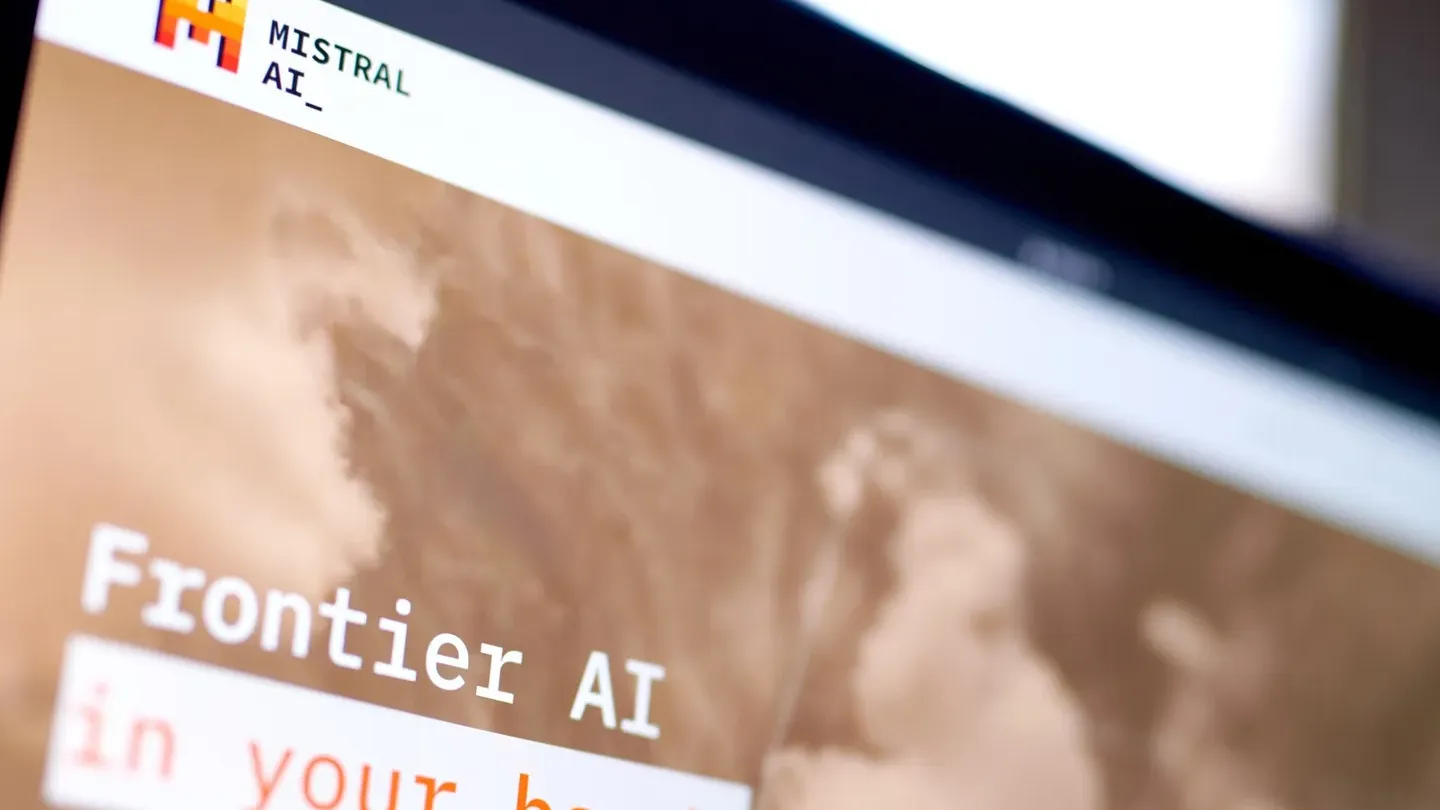
A major European bank recently made a strategic move. The launch of the BNP Paribas Mistral AI partnership 2026 marks a significant shift in corporate defense. The bank is working directly with a top French artificial intelligence startup. Together, they want to build next-generation security frameworks. According to the current tech news reports, this collaboration targets a new wave of automated risks. The project shows that human engineers need algorithmic help to keep networks safe.
The Growing Threat of Autonomous Software
Why is this partnership necessary right now? The answer lies in the rapid development of autonomous code. Attackers no longer write simple viruses. Instead, they deploy smart programs that think and adapt. These programs can scan a bank's entire digital infrastructure in minutes. They look for tiny flaws in complex banking applications.
BNP Paribas is focusing its attention on specific upcoming risks. The bank designed its new strategy to counter Mistral Mythos like AI models finance threats. These advanced tools can autonomously exploit software vulnerabilities. Many experts focus only on one or two well-known models. However, BNP Paribas warns that this narrow focus is a big mistake. Dozens of similar automated tools are already active on the global market. Security teams must build broad, flexible defenses to handle all variations at once.
Modern Innovation Trends in European Banking
The financial sector is undergoing a massive operational transformation. A major banking enterprise GenAI software deployment Europe trend is sweeping across the continent. Financial groups are investing heavily in automated software infrastructure. They are moving away from passive defense models. Instead, they choose proactive security systems that search for errors constantly.
This trend changes how banks manage their daily technology. Security teams used to spend weeks reviewing code manually. Now, smart algorithms handle this heavy workload in real time. Many global tech companies are implementing these automated tools this month. This collective shift creates a stronger, more resilient European banking network. It also forces traditional tech vendors to upgrade their products quickly.
Technical Optimization and Strategic Benefits
Implementing a modern defensive setup brings immediate structural advantages. The use of institutional financial process optimization generative AI models removes slow manual steps from compliance work. Security teams can run complex safety checks with minimal human effort. This automation saves time and reduces human error significantly.
- Instant Vulnerability Patching: Algorithms find and fix code errors before attackers notice them.
- Reduced Operational Costs: Automation cuts down the hours spent on routine network audits.
- Enhanced Data Sovereignty: Local AI tools keep sensitive customer information within European borders.
- Agile Risk Assessment: Banks can adapt their defenses to new threats in a matter of seconds.
Financial groups are actively choosing agile AI startups over slow traditional software vendors. This tactical choice allows banks to deploy new features safely. They can launch digital products without delaying schedules or risking user data.
Building a Resilient Tech Ecosystem
The battle for digital safety is no longer about buying software. It is about building a sustainable technological ecosystem. Banks cannot solve modern security issues alone. They must collaborate with universities, research centers, and innovative startups like Mistral AI. This collective approach helps the entire industry grow safely.
In the end, technology will continue to advance rapidly. The real question is whether financial institutions can keep pace with it. Using smart automation is no longer an optional luxury for businesses. It is a fundamental condition for growth and survival. By investing in tools like generative AI, banks protect their future and maintain public trust.
 Related News