
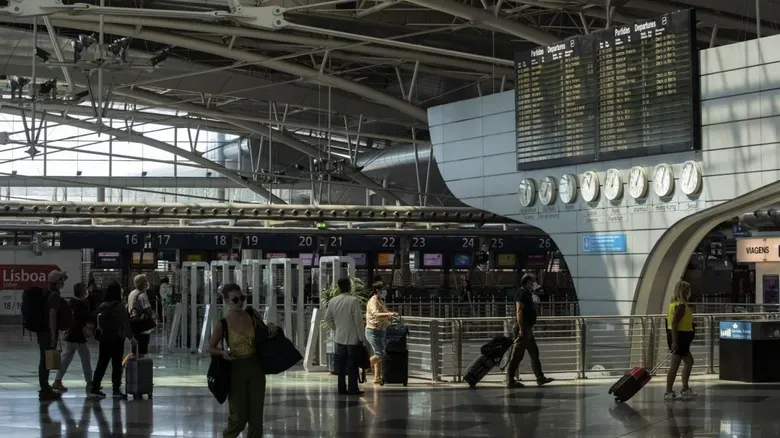
The Portuguese government is putting Porto’s airport at the heart of its national aviation plans. To keep up with the rapid Porto Airport expansion 2026, the Minister of Infrastructure announced that the airport will soon handle 26 flights per hour instead of 24. This change will help the airport manage more flights from both budget airlines and long-distance international carriers.
Investing in the North's Future
By increasing these hourly movements, the government is ensuring that the airport can grow along with the rising number of travelers. This move is a major step in making Porto a more powerful travel hub, allowing for more direct connections and fewer delays as the city becomes even more popular with global visitors.
Modernizing Infrastructure for Global Connectivity
The celebration for the Francisco Sá Carneiro 80th anniversary was a major event, attended by Prime Minister Luís Montenegro to mark 80 years of the airport's history. A huge part of the day was the opening of the newly improved runway, which cost €50 million to strengthen and resurface.High-Tech Upgrades for Safer Flights
This big investment also paid for a new "Category II" landing system. This technology helps pilots land safely even when it is very foggy or hard to see. On top of that, a brand-new Airport Operations Center was opened. This "control room" will help the airport manage flights to over 120 different destinations much more smoothly.
Aiming for a Secondary National Hub
Thanks to these big improvements, the airport is now on track to reach a Porto Airport capacity of 20 million passengers every year. This growth is backed by a €65 million investment from VINCI Airports and a new €20 million maintenance center built by TAP Air Portugal.
Porto as a Key International Gateway
By turning Porto into a major second hub, the government hopes to take some of the pressure off Lisbon’s busy airport. This makes Northern Portugal more competitive on the world stage, helping to attract more direct flights from places like the US and ensuring the local economy stays strong for years to come.
 Related News