
Lufthansa Portugal's Ground Services (LGSP) are collaborating with CEiiA, an important Portuguese engineering center. The two groups signed a new agreement to use an electric vehicle called BEN for airport ground operations. This is a major milestone, as it is the first time a large airline group such as Lufthansa adopts a vehicle designed in Portugal. The project highlights local engineering and brings modern mobility to European airports.
The BEN is a compact, modular electric vehicle built from the ground up for industrial environments. Airport ground handling involves constant movements between terminals, aircraft, and fueling areas. Using this compact vehicle will significantly reduce energy consumption and operational costs. Initial testing will begin in September at the airports of Lisbon and Porto, and the fleet is expected to be fully operational by 2027.
Carbon Savings and Community Investment
This green partnership is a significant step forward for the decarbonization project of Lufthansa Portugal's Ground Services. The fleet uses intelligent tracking systems to measure carbon savings in real time. These saved emissions will be directly linked to Help Alliance Portugal, which is Lufthansa's non-profit group. The value of the generated carbon credits will be redirected to local communities to fund social impact programs.
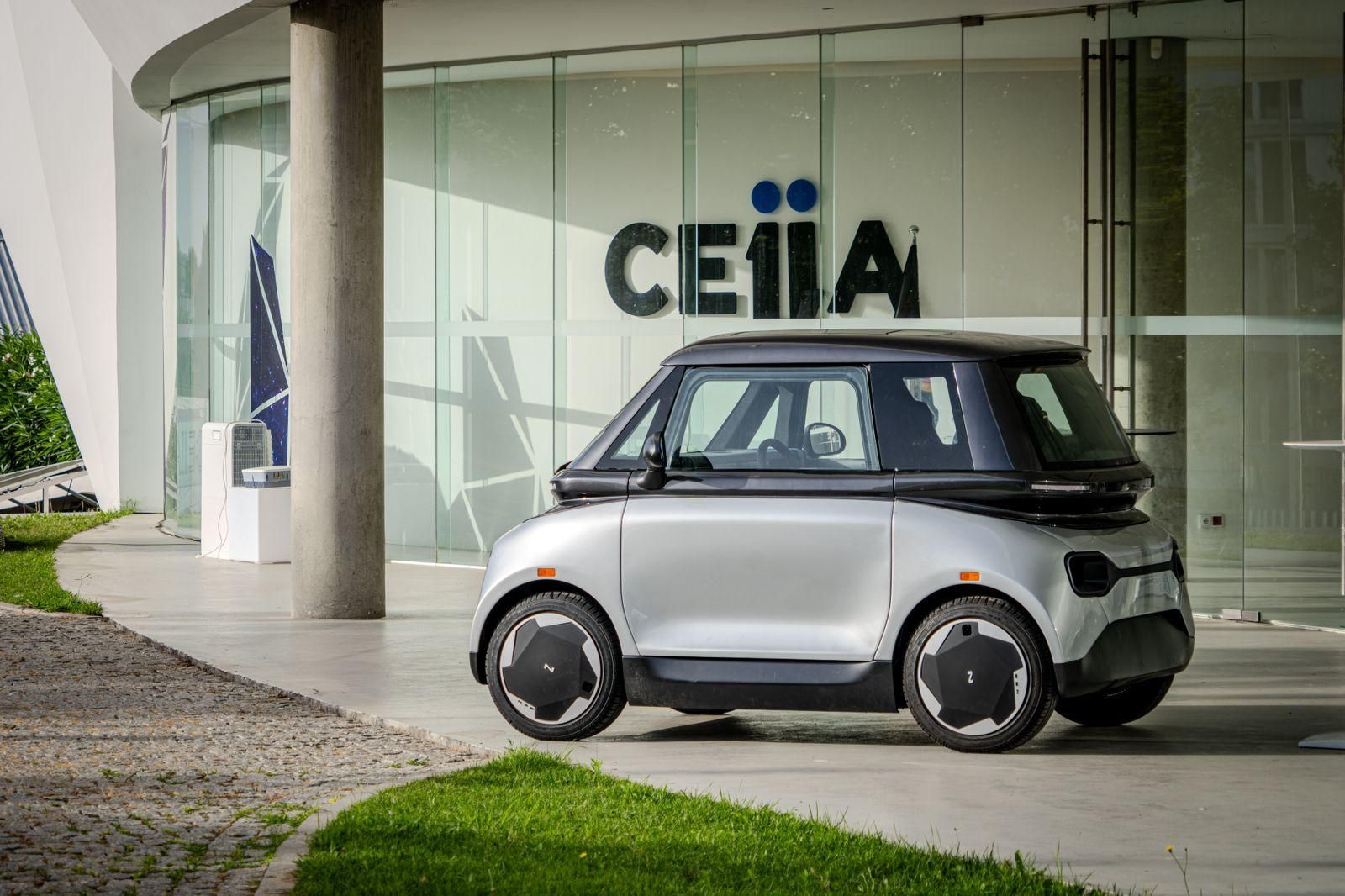
Features of the Electric Car BEN:
- Length: 2.5 meters
- Passenger Capacity: Up to 3 people
- Cargo Space: 100 to 400 liters
- Operational Goal: Complete service by 2027
These green updates often create new technical jobs for engineers specializing in maintaining smart airport fleets. Many local developers and software teams use the platform devs.com.pt to stay updated on how clean energy projects are changing the logistics sector. The successful integration of the Lufthansa LGSP CEiiA electric vehicle proves that airport operations can become highly efficient while reducing their environmental footprint.
A successful test of the ground handling services of the electric car BEN could allow Lufthansa to replicate this sustainable model at other international airports and logistics infrastructure throughout Europe.

 Related News