
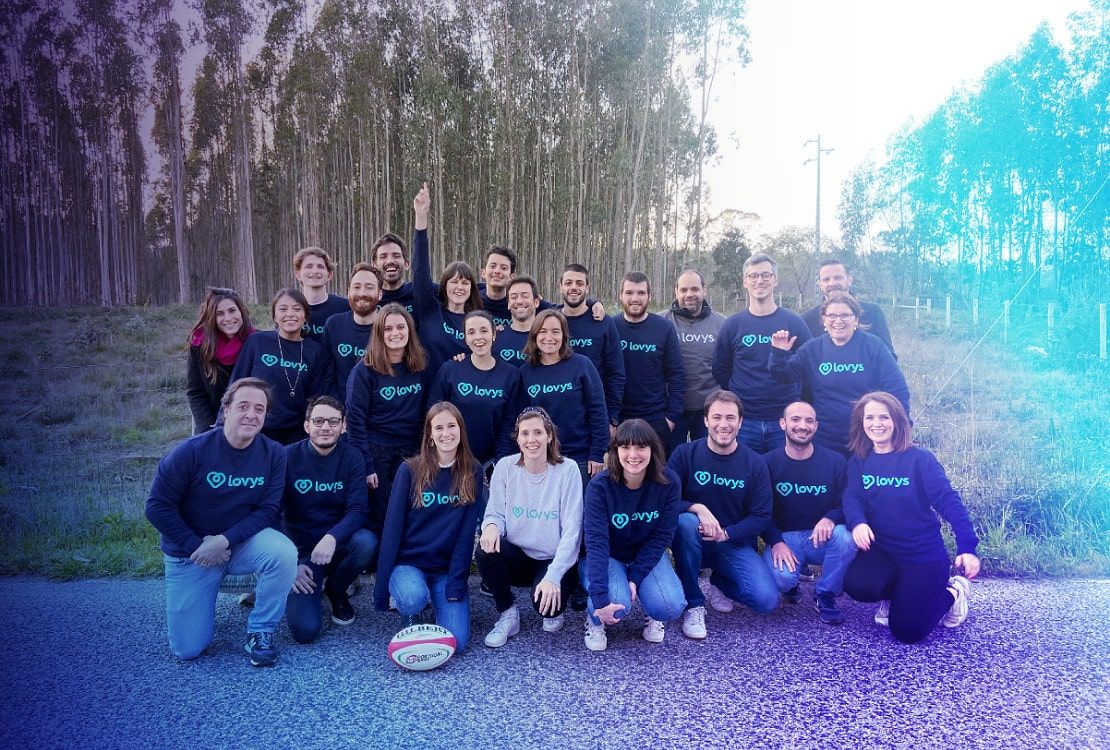
Clearly, several insurance companies buying insurtech will become inevitable in 2026. Traditional insurers are realizing that creating direct-to-consumer platforms internally takes too long. Instead, acquiring established insurtech startups offers speed, efficiency, and tested technology. Companies like Lovys show that a “neo-insurer” model can scale quickly with fewer employees but advanced tech. So, it’s not a trend; it’s a survival strategy. You can also follow similar developments and industry shifts through the latest tech news Portugal.
Key drivers of insurtech consolidation 2026:
- Direct-to-consumer sales demand is rising.
- AI and automation reduce operational costs.
- Regulatory complexity makes in-house development slower.
- Customer expectations need modern, user-friendly platforms.
Think of it like buying a ready-made car engine instead of building one from scratch. Insurers save time, reduce risk, and speed up growth.
Impact metrics
Metric Detail
Companies likely to acquire - Many large insurers in Europe
Target startups - Neo-insurers and tech-driven MGA models
Growth driver - Insurance technology acquisitions
Trend - Insurtech acquisition trends 2026
For startups, it opens more sales opportunities, while insurers gain ready-to-use capabilities. By following insurtech consolidation 2026, companies stay competitive and meet customer expectations.
In short, the insurance market is entering a phase where insurance companies buying insurtech isn’t optional—it’s essential. Lovys highlights that tech-first startups welcome partnerships or buyouts, and the pace of insurance technology acquisitions is set to rise. Learn more about these trends at devs.com.pt and check out all updates in the news section.
 Related News