
The global maritime market is changing through advanced bio-tech and automated systems. Fórum Oceano has chosen 18 international projects to join its Hub Azul Acceleration pilot program. This initiative operates within the €200 million PRR Rede Hub Azul framework. To see how these technologies are tracking, you can explore the latest global tech news to check how localized pilot projects scale deep-tech ocean applications into viable commercial products.
This setup drives Portugal maritime technology investments 2026 forward. The 18 startups were selected from 54 global applications. To choose them, the Fórum Oceano team matched specific challenges across six regional hubs with international tech solutions found in the specialized Hub Azul Dealroom database.
Cell Culture and Eco-Friendly Fishing Tech
The program focuses heavily on finding sustainable answers to traditional maritime challenges. A key highlight is the inclusion of Finless Foods, an American startup valued at €154 million. The company creates bluefin tuna using cell culture. This technology offers an alternative to traditional commercial fishing and avoids the heavy use of nets and traps found in southern Portugal.
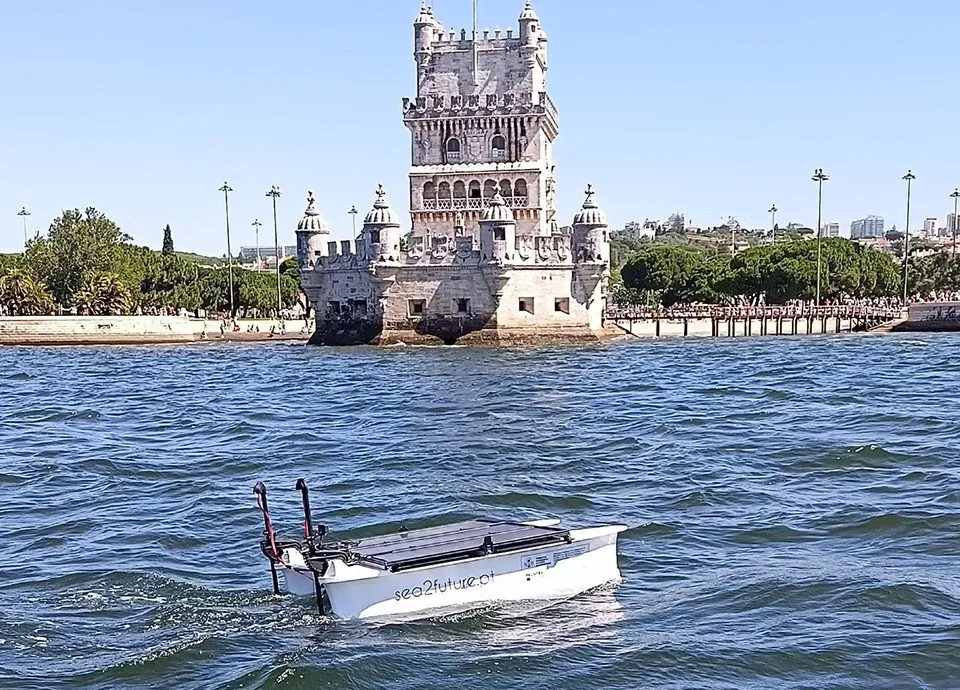
This advancement establishes the network as a leading sustainable ocean economy startup hub. By producing high-quality fish protein free of mercury, microplastics, and antibiotics, the project aims to meet rising global seafood demands cleanly. Other firms are focusing on different ecological upgrades, such as the British company 0rCA/Fishy Filaments, which recycles old commercial fishing nets in ports and turns them into high-quality nylon for manufacturing.
Automated Ocean Systems and Deep-Sea Data
The accelerator also pushes innovation forward in maritime automation, robotics, and environmental safety.
These projects expand the impact of international marine tech acceleration programs across several core technical fields:
- Autonomous Navigation: Japanese startup Eight Knot is building automated steering systems that can be added to existing vessels.
- Marine Biodiversity: French firm Cosma uses fleets of autonomous underwater vehicles to take high-resolution images to track coastal threats.
- Biosecurity Monitoring: Finland's Resistomap runs an environmental DNA platform to spot disease and mortality risks early in aquaculture water systems.
The consolidated results of this pilot group will be presented to government officials and backers like the European Investment Bank. These pitches will take place during the Global Oeiras Ocean Days 2026 event cycle, with a national launch on June 8th and international sessions on June 15th and 16th. To see how these maritime data platforms compare to software systems in other fields, engineers are tracking development updates from top tech companies active in the region.
 Related News