
Artificial intelligence is rapidly moving from digital screens into the physical world, transforming factories, robots, and smart production lines.
Recent discussions at Siemens Tech Day highlighted how industrial automation and autonomous systems are reshaping modern manufacturing and supply chains.
As innovative technology companies adopt physical AI solutions, leadership teams face complex choices regarding data trust and operational oversight.
Smart factories and AI-powered robotics on production lines
Experts note that modern factories now utilize millions of operational robots worldwide to orchestrate equipment and optimize workflows.
For instance, manufacturers are successfully deploying digital twins to simulate factory floor changes, cutting energy waste and material loss significantly without upfront equipment costs.
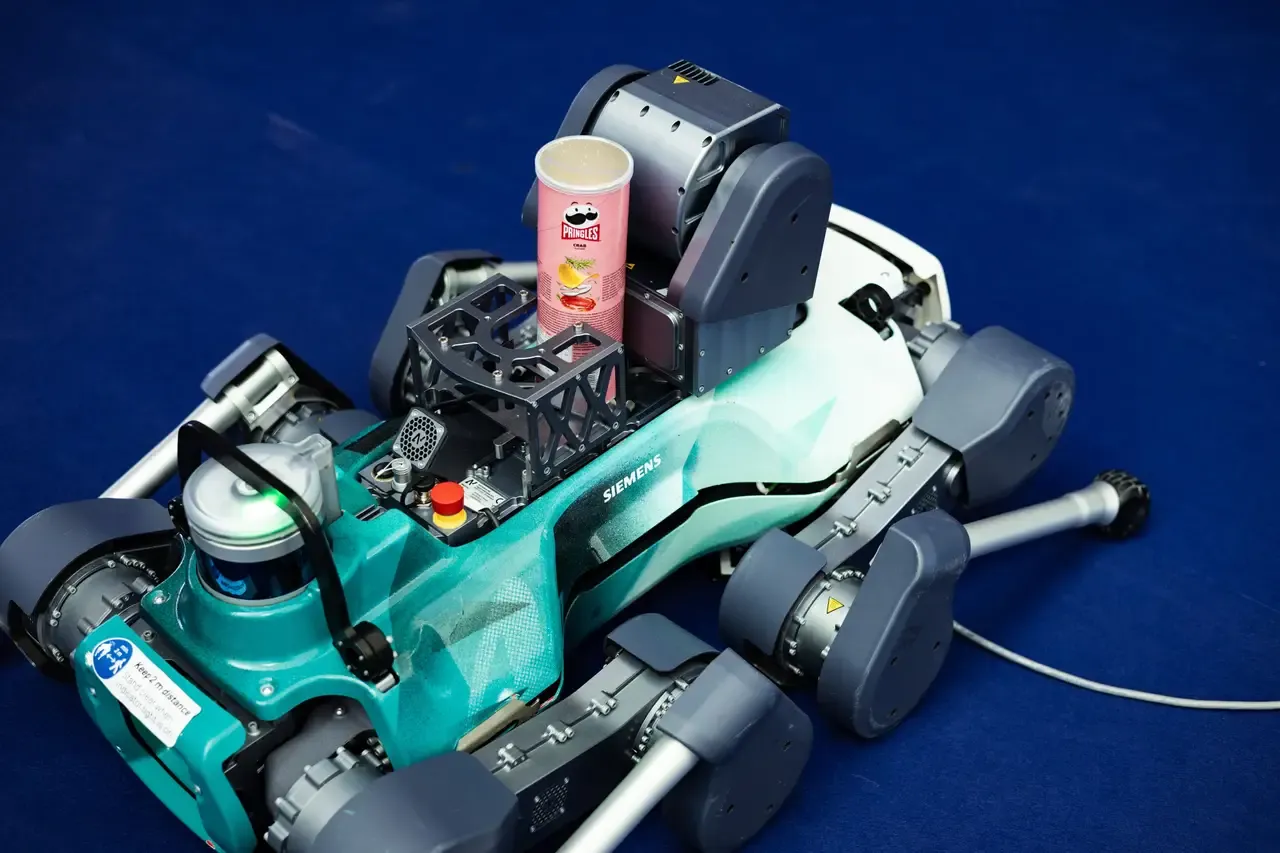
Breakthroughs in industrial automation and smart manufacturing consistently dominate international business news coverage.
Self-driving vehicles and real-world artificial intelligence applications
Beyond factory floors, the integration of real-world AI extends to autonomous vehicles and advanced infrastructure projects designed to boost efficiency.
As industries adapt to these rapid technological shifts, engineers, innovators, and corporate strategists frequently gather at upcoming technology jobs fairs to discuss future production models.
 Related News