
During a recent roundtable at ECO’s "Future of Work 5.0" conference, industry leaders from TP Portugal, Adyta, ANJE, and Siemens Portugal gathered to discuss how artificial intelligence is transforming the professional landscape.
Rather than eliminating human labor entirely, AI is reshaping specific tasks, freeing employees from routine duties and elevating the demand for core human skills like creativity, critical thinking, and emotional intelligence.
As Pedro Gomes, CEO of TP Portugal, noted, "the main skill is the ability to change skills," highlighting adaptability as a fundamental requirement for modern jobs.
Continuous upskilling and career flexibility strategies
Overcoming mindset blocks through ongoing education
Echoing this perspective, Pedro Henriques, HR director at Siemens Portugal, emphasized that the primary barrier to digital transformation is mindset rather than technology itself.
Employees must continuously practice learning rather than relying solely on past education, noting that Siemens staff averaged 51 hours of training over the past year.
This continuous commitment to upskilling helps organizations foster a culture where workers adapt smoothly to evolving corporate roles.
The importance of adaptability in future job markets
Amplifying human potential with artificial intelligence
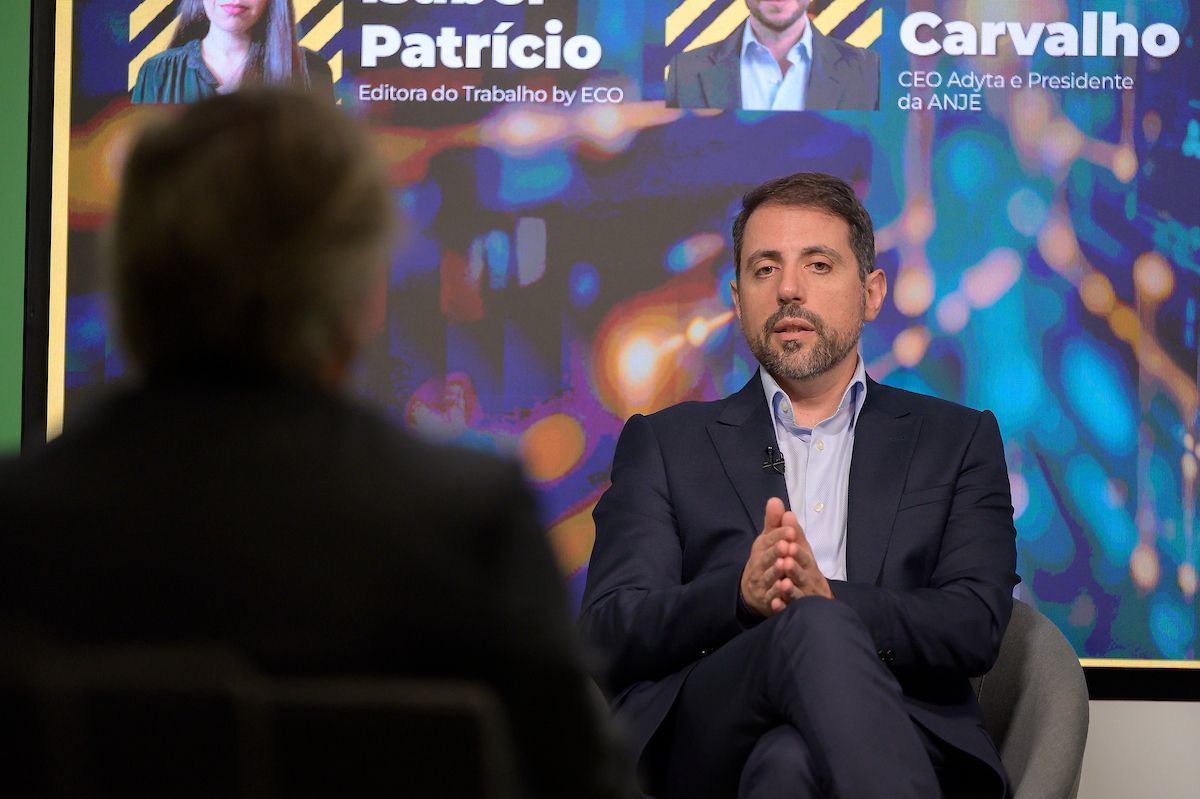
Carlos Carvalho, CEO of Adyta and president of ANJE, agreed that technology amplifies human productivity, enabling individuals to do far more with AI help.
However, he stressed the importance of balancing innovation with cybersecurity awareness, urging workers to protect sensitive business data when using AI tools.
Ultimately, mastering career flexibility, embracing lifelong learning, and understanding how to effectively leverage AI will heavily differentiate successful professionals across modern companies.
 Related News