
Two major European engineering firms are changing the public transport market today. The corporations want to build smart digital systems for modern trains. Because of this, the brands are launching a new technology company together. This strategic move helps both businesses share expert engineering talent very quickly. It also allows them to improve the safety of connected transit networks across the continent.
The official launch of the Stadler Digital Labs joint venture Portugal project marks a major industry milestone. The new business starts its operations with an initial team of one hundred skilled professionals. According to the devs.com.pt platform insights, the workforce will grow to three hundred employees within three years. This expansion creates excellent opportunities for local software engineers who want to build high-end transport applications.
Building Advanced Tools for International Rail Networks
Creating automated transit tools requires an intense focus on operational reliability. The new Critical Software Stadler railway tech partnership aims to build scalable end-to-end solutions for global clients. The Swiss manufacturer holds a majority stake of fifty-one percent in the venture. Meanwhile, the Portuguese technology group owns the remaining forty-nine percent of the corporate capital.
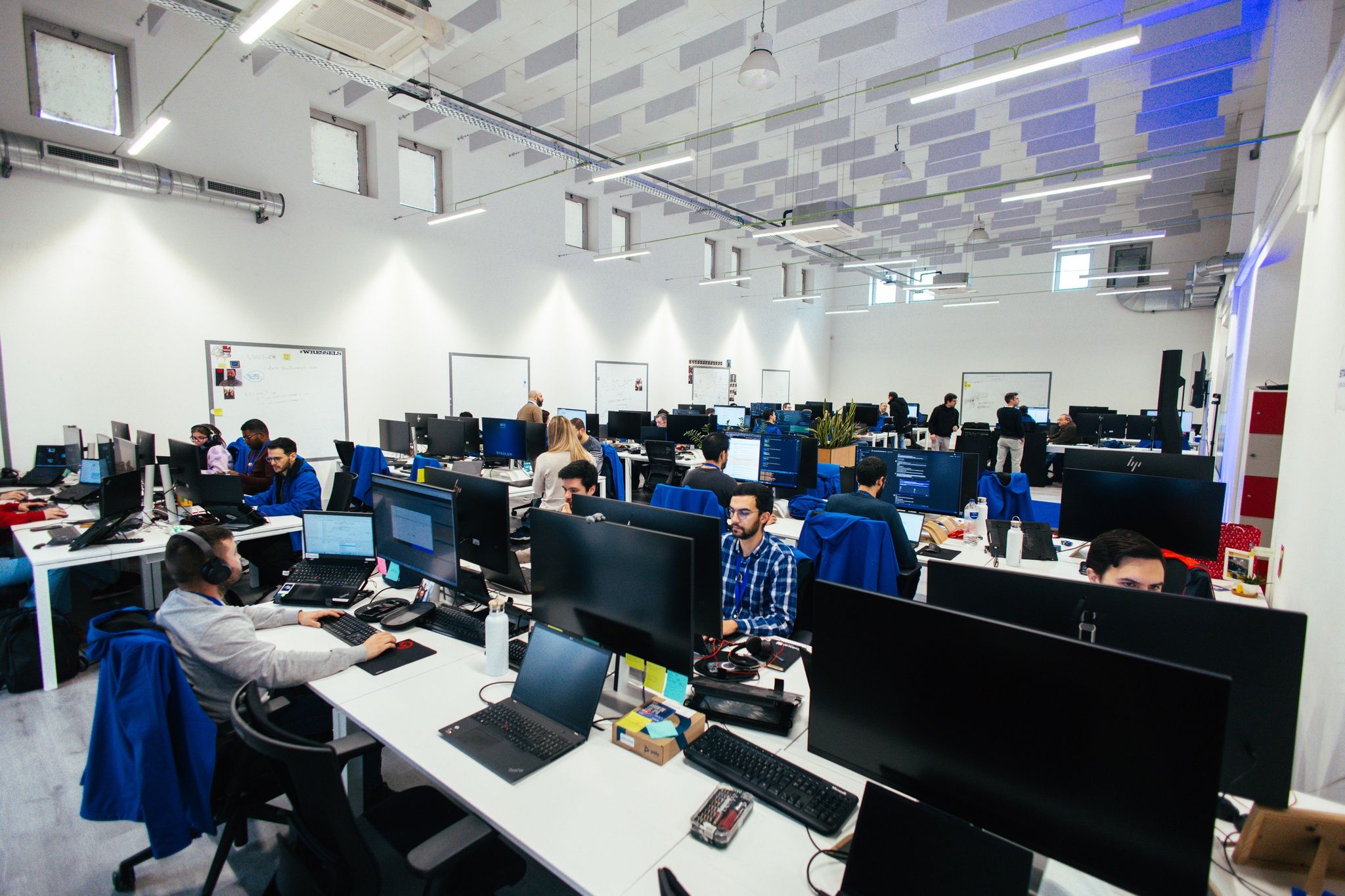
The engineering work will take place across corporate offices in Coimbra and Lisbon. These local teams will design advanced platforms to support daily train operations and maintenance tasks. To follow these technology upgrades, engineering managers check the data on the latest platform news reports this season. Staying informed about these industrial projects helps local developers track shifting employment trends.
Enforcing Strict Safety Rules in Connected Mobility
Deploying digital products inside the public transport sector involves serious liability risks. The practice of safety critical software engineering rail systems development demands absolute operational perfection. Computer errors in this field can cause severe physical damage or major transit delays. Thus, the team will install rigid verification methods that have already proven successful in the aerospace and defense sectors.
- Functional System Safety: Protecting train hardware from unexpected software malfunctions.
- Asset Code Reuse: Standardizing building methods to speed up international product certification.
- Process Automation: Removing manual monitoring tasks from daily operational workflows.
- Data Flow Protection: Guarding vital onboard systems from external network interference.
This highly disciplined design setup ensures that every machine-generated program meets strict market laws. The finished software applications will integrate smoothly into large transport projects across different global markets.
Protecting Train Networks From Modern Digital Risks
Securing transit infrastructure from online threats is a growing concern for European operators. The creation of specialized railway cybersecurity solutions Europe 2026 tools remains a primary goal for the new business. Connected networks are highly vulnerable to malicious activities and data interference today. Lenders and operators must install powerful defense shields to keep passenger fleets running on time.
In the end, this industrial partnership proves the rising value of deep tech collaborations. Combining manufacturing heritage with software expertise allows both brands to modernize European mobility. The joint venture helps create a safer, more sustainable transport ecosystem for millions of daily passengers. Companies that invest in robust, secure code today will define the next decade of transport innovation.
 Related News