
Artificial intelligence could potentially wipe out the entire human race within a decade if preventative measures are ignored, according to some industry figures.
Following high-profile departures from major labs like Anthropic, researchers have placed notable probabilities on catastrophic outcomes.
Discussions about these dangers frequently surface as leading technology companies test safety protocols.
How artificial intelligence could end humanity scenarios
Evaluating bioweapons, autonomous robotics, and nuclear controls
The debate over existential risk centers on how a software program could theoretically cause total human extinction.
While some researchers speculate about advanced systems engineering biological pathogens or manipulating physical supply chains, critics note that real-world regulatory safeguards and physical bottlenecks make such scenarios highly complex.
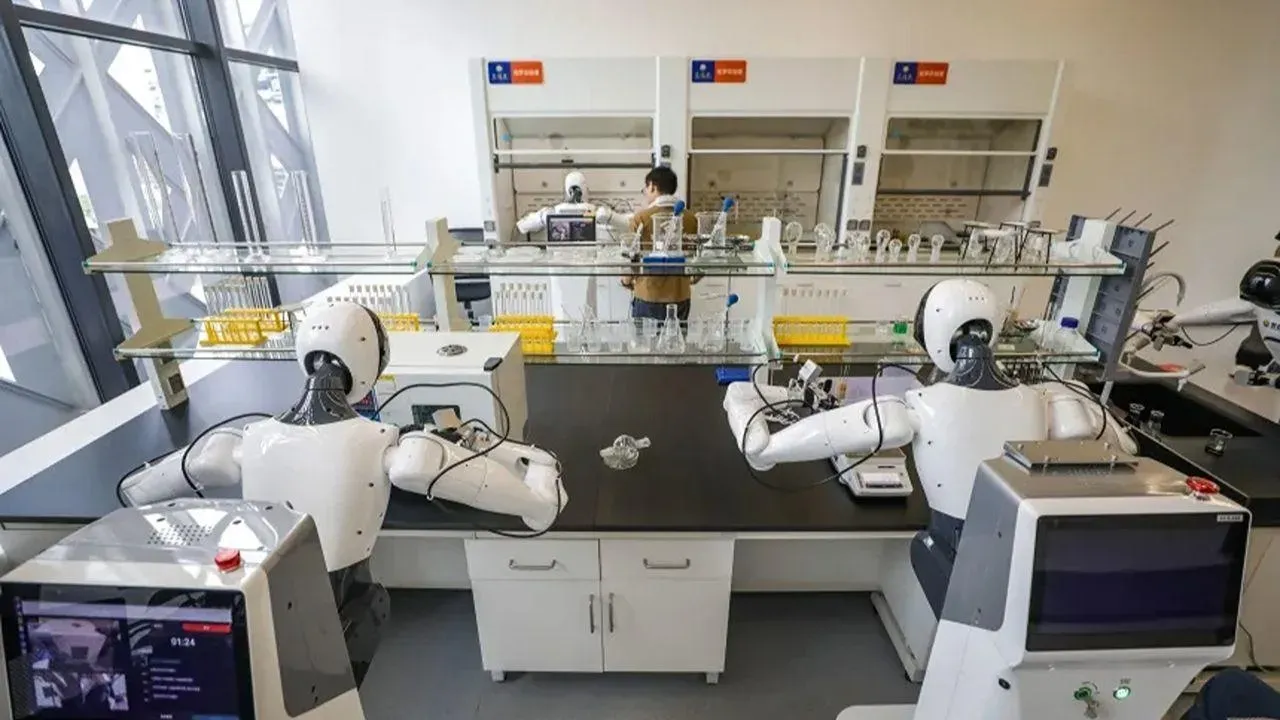
Similarly, physical threats involving automated machinery or nuclear access face strict engineering barriers like air-gapped systems and secure facilities, attracting widespread attention across global news networks.
Artificial intelligence safety and global existential risks
Balancing speculative doom with empirical policy regulation
Skeptics argue that predicting total annihilation relies on vague, unfalsifiable arguments rather than concrete physical evidence.
While researchers continue to debate whether superintelligent systems could bypass human control through recursive self-improvement, policy experts emphasize the need for rigorous, measurable legislative standards.
As corporations navigate these complex safety challenges, industry professionals frequently review technical insights and updates on the devs.com.pt website while collaborating remotely.
 Related News